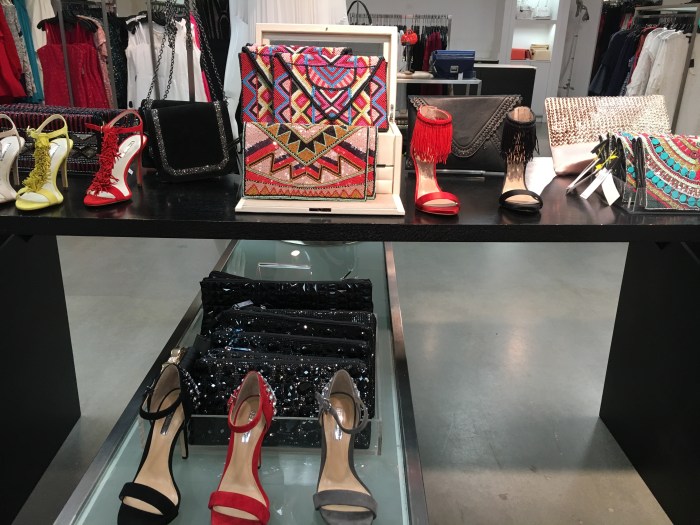
Ever walked into a big chain store and walked out with way more than you had planned to purchase? Retailers certainly seem to know how to design their stores and create tempting displays to keep us shopping.
What’s their secret? Here are seven layout tips from experts who have worked with many major retailers.
1. Make windows shine. Many small retailers don’t do window displays, letting customers simply look straight into the shop. “Each window should tell a story.”
To create an appealing display, use a single color theme to grab attention and communicate your store’s image. It’s also important to avoid clutter because in retailing, space equals luxury, Cahan says. If you cram items together in a window, they’ll look cheap. Think of how Tiffany displays just a few items in the window, communicating that they are special.
2. Make an arresting first impression. When customers enter your store, an eye-catching display up front should make them slow down. Otherwise, they may hurry on through the store and buy little. Notice how Costco sets up large seasonal displays at its entrances, often with a product pulled out of its box — a kitchen appliance or fresh plants — that shoppers can stop to touch, smell or try.
One problem in many small stores is a high rack up front that blocks views of the rest of the shop. If customers don’t like what they see on that first set of shelves, they might leave. Instead, use lower shelving units with shorter pegs and narrower shelves.
3. Steer customers to the right. Retailers should design their stores to draw shoppers to the right side of the entryway. Shoppers usually then prefer to move right and walk counter-clockwise around the store.



 Marinnaocean